If You’re Arrested for DWI, What You Do Next Matters More Than You Think
A DWI arrest isn’t just a charge.
It’s a process that starts immediately—and starts working against you just as fast.
License suspension. Criminal prosecution. A permanent record. For many people, it’s not just about fines or court dates. It’s about employment, professional licensing, and long-term consequences that don’t go away.
What matters most isn’t what happened during the stop.
It’s what happens next.
The Divide Most People Don’t Realize Exists
After a DWI arrest, people tend to think the case is already decided.
There was a stop. There were tests. There may be a number attached to it.
From the outside, it looks straightforward.
From the inside, it rarely is.
There’s a fundamental difference between cases that get processed—and cases that get challenged. Most people don’t understand that distinction until it’s too late.
What Actually Builds a DWI Case
By the time you’re arrested, the state has already started assembling its case:
The reason for the traffic stop.
The officer’s observations.
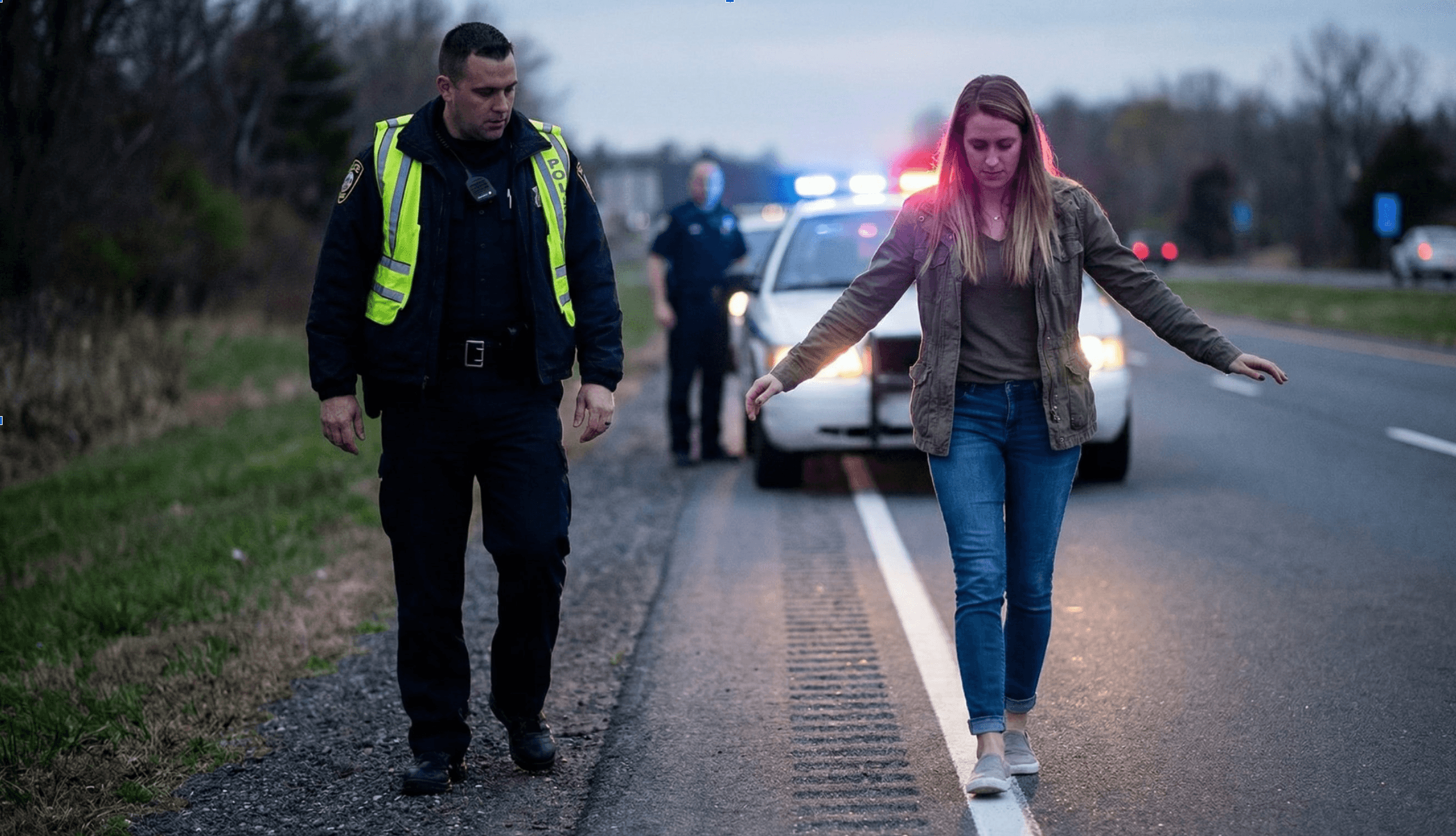
Field sobriety testing.
Breath or blood results.
Each of those steps matters. And each of those steps can be wrong.
But those issues don’t surface on their own. They have to be identified, analyzed, and, when necessary, challenged.
The First Mistake Happens After the Arrest
Most damage in a DWI case doesn’t come from the stop.
It comes from what happens afterward.
Waiting too long.
Assuming the evidence is accurate.
Treating the case like it will “work itself out.”
In Texas, you have a limited window to challenge a license suspension. Miss that deadline, and your license can be suspended before your criminal case is ever resolved.
That’s not a minor issue. It’s a lost opportunity to contest the state’s evidence early.
Why Experience Changes the Outcome
As a former prosecutor, I handled these cases from the other side.
We knew which defense attorneys would examine every step of the investigation—and which ones wouldn’t. We knew who would challenge the stop, the tests, and the procedures. And we knew who was preparing for trial.
That knowledge matters.
Because prosecutors don’t evaluate cases in a vacuum. They evaluate them based on who’s across the table.
Questions Worth Asking Early
If you’ve been arrested for DWI, ask direct questions:
What issues do you look for in the initial stop and investigation?
How do you approach breath and blood testing evidence?
What happens if the case can’t be resolved favorably?
The answers will tell you whether your case is being processed—or prepared.
The Bottom Line
A DWI arrest is not the end of the case.
It’s the point where the case begins to take shape—either in your favor or against you.
What you do next determines which direction it goes.
Next Steps
If you’ve been arrested for DWI, don’t assume the case is as simple as it looks. Call me to discuss the evidence, the process, and what can be done to challenge it.
— Tylden Shaeffer, Board-Certified Criminal Defense Attorney